
Beyond the Hype: Practical Applications of Blockchain in Supply Chain
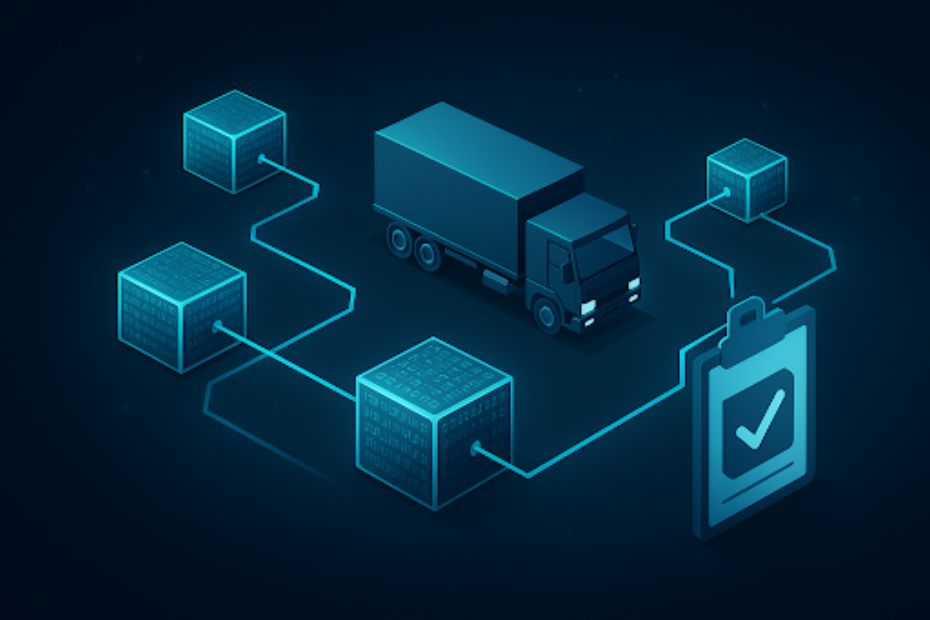
Table of Contents
- Make Transparency a Default, Not a Luxury
- Automate Transactions with No Middleman
- Stop Fraud Before It Costs You
- Cut Audit and Compliance Time in Half
- Spend Less on Admin and Reconciliation
- Build Real Trust Between Supply Chain Partners
- Bring Proof to Your Sustainability Promises
- Real-World Blockchain Applications in Supply Chain
- In Conclusion
If you’re trying to cut through the buzz and actually improve supply chain performance, blockchain probably isn’t the first tool you reach for—yet. But once you start using it, the results speak for themselves. It’s not just a flashy database. It gives you an unchangeable, shared view of every transaction, movement, and agreement across your supply chain. That means no more mismatched records, no more “he said, she said,” and no more time wasted trying to verify what already happened. This article walks you through how real companies are using blockchain to bring accountability, automation, and efficiency to global supply chains—and how you can, too.
Make Transparency a Default, Not a Luxury
When you’re juggling hundreds of suppliers and moving parts across countries, staying in sync is a constant challenge. Blockchain lets you create a digital ledger that tracks every touchpoint in your supply chain. Once a shipment is picked up, the time, location, and condition are recorded in real time and shared instantly with everyone who needs to know. That record can’t be changed—so you don’t have to worry about lost paperwork or disputes over whether something was delivered late.
You no longer need to rely on emails or separate spreadsheets to verify what happened. Everyone sees the same source of truth, whether it’s your internal teams, customs officials, or third-party partners. That level of visibility is especially useful when you’re managing complex compliance requirements or high-risk cargo.
Automate Transactions with No Middleman
If you’re still chasing signatures, clearing invoices manually, or emailing scanned delivery notes, you’re working harder than you should be. Smart contracts—coded rules stored on the blockchain—automate these repetitive tasks. When specific conditions are met, such as a successful delivery scan or a temperature range maintained throughout a trip, the contract executes.
That means payments can be triggered automatically without manual approval. Fees can be calculated and distributed instantly. Documents like bills of lading or proof of origin can be generated without bottlenecks. By cutting out delays and reducing human error, you speed up processes and make room for your team to focus on strategic work—not chasing paperwork.
Stop Fraud Before It Costs You
If your supply chain spans borders, there’s always a risk of product fraud or data manipulation. With blockchain, once a record is logged, it’s locked in. You can’t retroactively adjust delivery times, change product counts, or alter supplier claims without alerting every party involved.
That kind of tamper-resistance makes it easier to prove authenticity, protect high-value goods, and catch discrepancies early. Whether you’re verifying the origin of raw materials or making sure no one’s double-counting deliveries, blockchain helps you detect and stop fraud before it spreads through the system.
Cut Audit and Compliance Time in Half
If you’ve ever scrambled during an audit to piece together records from different systems, you know how much time that wastes. Blockchain gives you a verified audit trail without extra effort. Every change, update, or handoff is recorded with a timestamp and digital signature. You don’t need to request documentation from multiple departments or dig through file servers.
Customs clearance also moves faster when you can present a single, validated record showing the entire product journey. That helps you avoid penalties, meet customer requirements, and stay aligned with global trade regulations—without needing a team of compliance specialists chasing down documents.
Spend Less on Admin and Reconciliation
Every manual entry or data handoff in your system is a potential error—and a waste of time. With blockchain, each update happens in real time and is visible to all parties. You don’t have to spend time comparing internal records with supplier invoices, double-checking quantities, or resolving order mismatches.
Blockchain acts like a shared ledger between your partners and platforms. When an event occurs—like goods received or an order updated—it’s reflected instantly across the network. That reduces redundancy, cuts out unnecessary follow-ups, and streamlines everything from inventory planning to shipment reconciliation.
Build Real Trust Between Supply Chain Partners
Even if you have strong relationships with vendors and customers, trust can break down when the data isn’t clear. Misunderstandings about order status, shipment delays, or payment terms can create friction. Blockchain helps you build trust by removing ambiguity. Everyone sees the same thing, at the same time, in a format that can’t be altered behind the scenes.
That kind of transparency encourages collaboration and makes it easier to resolve disputes. If a delay happens, there’s no debate—it’s right there in the record. You’re not relying on memory or internal systems. You’re sharing objective facts in a format that everyone agrees on.
Bring Proof to Your Sustainability Promises
If you’re promoting fair sourcing or low-emission practices, you’ll eventually be asked to back it up. Blockchain lets you track where your products come from, how they were handled, and who was involved in the process. You can log details like emissions data, labor certifications, and location history along the supply chain.
With that visibility, you can prove that materials came from verified ethical sources or that shipping met your environmental targets. It’s no longer a marketing claim—it’s a verifiable chain of evidence. That builds consumer trust and helps your business stand out in markets where sustainability matters.
Real-World Blockchain Applications in Supply Chain
- Tracks shipments in real time across all parties
- Automates contracts and payments without manual steps
- Prevents fraud through tamper-proof records
- Simplifies compliance with instant audit trails
- Reduces admin and reconciliation work
- Builds trust through shared, immutable data
- Verifies sourcing and sustainability claims
In Conclusion
Once you strip away the buzzwords, blockchain becomes a simple value driver for your supply chain. It gives you a secure, shared record of transactions and activity that everyone can trust. Whether you’re solving traceability issues, automating vendor payments, or proving sustainability claims, this technology helps you work faster, make better decisions, and reduce friction between stakeholders. The hype doesn’t matter—what matters is what it actually lets you fix. And if you’re serious about supply chain performance, that’s worth paying attention to.
Ready to move beyond the blockchain buzz and into real-world logistics solutions? Follow my updates and insights here: facebook. Let’s explore how technology is solving real problems across global supply chains.
Related Posts

How to Build a Business Case for a New Supply Chain Software
Learn how to build a supply chain software business case with...

Your Warehouse Workers Are Your Biggest Untapped Asset
Treat warehouse workers as a business asset to improve accuracy, safety,...

7 Best Software Solutions for Cold Chain Compliance and Safety
Discover the 7 best cold chain software solutions for compliance, temperature...

The Data Your TMS Provides Is Probably Wrong. Here’s Why.
TMS data accuracy issues can distort ETA, cost, and service reporting....