
Green Tech in Logistics: EV Trucks, Solar-Powered Warehouses, and More
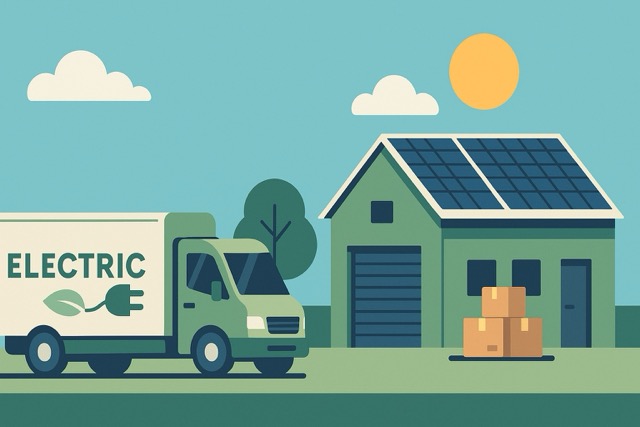
Table of Contents
- EV Trucks Are No Longer Experimental
- Solar Warehouses Slash Utility Costs
- AI and IoT Improve Efficiency Across the Board
- Hydrogen Trucks Add Long-Haul Potential
- Green Building Materials and Smarter Layouts Matter Too
- Reputation and Compliance Are on the Line
- Offset Programs Still Play a Role
- What Are the Best Green Tech Investments in Logistics?
- In Conclusion
If you’re in the logistics industry, you’re already under pressure to reduce emissions, cut energy costs, and meet sustainability targets—all without compromising delivery speed or reliability. Green technology isn’t just an idealistic trend anymore; it’s a practical set of tools you can integrate into your operations today. From electric trucks and solar-powered facilities to smart routing and AI-based optimizations, you’re in a position to make meaningful change that also delivers operational gains. This article takes you through the most promising green technologies transforming logistics, giving you a practical roadmap for implementing sustainability while staying competitive.
EV Trucks Are No Longer Experimental
When you adopt electric trucks, you’re not just going green—you’re improving your operational efficiency. With fewer moving parts, EVs demand less maintenance, reducing unplanned downtime. Urban last-mile delivery is where these vehicles really shine. Whether you’re running a fleet of vans or transitioning your regional haulage to electrics, major manufacturers like Volvo, Tesla, and BYD are already making it possible with proven models in service today.
Charging infrastructure is expanding rapidly, and new incentives are making EV adoption more cost-effective in the long run. If you manage urban or short-haul logistics, switching to electric trucks can lower your fuel costs and make your fleet more compliant with upcoming zero-emission zones. You also gain a reputation boost with partners and customers who are pushing for cleaner supply chains.
Solar Warehouses Slash Utility Costs
Warehouses consume a lot of electricity—especially when climate control, refrigeration, and 24/7 lighting are involved. Adding solar panels to your roof lets you offset a large portion of that usage, or even feed energy back into the grid. That’s not just about cutting your energy bill. It’s about transforming your warehouse from a consumption point into a clean-energy hub.
When your warehouse generates its own power, you’re more resilient against grid outages and energy price spikes. Many companies now design facilities with solar-ready rooftops from the outset. And if you already own warehouses, retrofitting solar tech often qualifies for tax credits or rebates. It’s a win for your bottom line, your ESG reporting, and your brand.
AI and IoT Improve Efficiency Across the Board
You don’t have to rely on best guesses anymore. With IoT sensors embedded in vehicles, containers, and facilities, you’re collecting real-time data on everything from fuel consumption to refrigeration temperatures. Combine that with AI, and you’re not just tracking performance—you’re predicting bottlenecks, identifying inefficient routes, and catching small issues before they snowball.
Let’s say your fleet is idling in traffic daily. AI-powered route optimization helps you cut fuel usage and arrival time. If you operate refrigerated trucks, sensors can prevent spoilage by flagging irregularities early. And when IoT devices feed into your warehouse systems, you’ll detect leaks, equipment wear, or unnecessary energy draw—long before they become costly. These technologies aren’t just smart—they’re practical.
Hydrogen Trucks Add Long-Haul Potential
If you’re handling long-haul logistics, you know EVs can fall short on range. This is where hydrogen fuel cell trucks are gaining traction. With fast refueling times and long ranges, hydrogen is shaping up to be a realistic alternative to diesel in sectors like freight, mining, and heavy industry.
Countries like Germany, Japan, and the U.S. are investing in hydrogen corridors to support commercial fleets. If you’re planning for long-distance logistics, integrating a few hydrogen vehicles into your pilot fleet could future-proof your operation against rising emissions regulations. Plus, you can demonstrate leadership in clean transport while keeping delivery capacity high.
Green Building Materials and Smarter Layouts Matter Too
Going green in logistics isn’t only about energy—it’s about smarter design. If you’re expanding or building new facilities, consider energy-efficient materials and layouts that reduce your footprint from the start. Recycled insulation, smart lighting systems, and low-VOC construction materials contribute to cleaner operations.
Even the interior setup of your warehouse can make a difference. Automated picking systems, robotic forklifts, and AI-managed layouts optimize space and reduce unnecessary movement. You’re not just saving energy—you’re boosting throughput. That’s how sustainability aligns with productivity.
Reputation and Compliance Are on the Line
Your sustainability strategy affects more than your emissions—it affects your relationships. Retailers and major manufacturers are requiring proof of environmental performance from logistics partners. If you’re not meeting those expectations, you may find yourself left out of contracts or tenders.
At the same time, regulations around emissions, waste disposal, and vehicle standards are tightening globally. By adopting green technologies now, you’re getting ahead of compliance issues and avoiding future penalties. You also position your business as a preferred provider in a market that values ethical and transparent operations.
Offset Programs Still Play a Role
Even with all the technology in place, there will be emissions you can’t eliminate just yet. That’s where certified carbon offset programs help. While not a substitute for direct action, they allow you to mitigate what remains—often while supporting global conservation or reforestation efforts.
Offsetting can be a smart bridge while your infrastructure catches up. Just make sure your credits are third-party verified and aligned with globally recognized standards. Done right, they round out your sustainability profile and provide measurable impact for reporting purposes.
What Are the Best Green Tech Investments in Logistics?
- Electric trucks for short-haul deliveries
- Solar panels on warehouse rooftops
- AI-powered route optimization
- Hydrogen fuel for long-haul operations
- IoT for predictive energy and equipment monitoring
In Conclusion
Sustainability in logistics isn’t just a public relations checkbox—it’s a competitive edge. By adopting electric vehicles, powering warehouses with solar, leveraging AI for smarter operations, and experimenting with hydrogen or offsets, you make your supply chain more efficient and more future-proof. You’re meeting regulations, satisfying customers, and staying ahead of a market that demands both speed and responsibility. Green tech isn’t about disruption anymore—it’s about leadership. And now is the right time to take the wheel.
For further discussions and information on sustainable supply chain practices and technology, please visit my Quora profile.
Related Posts

How to Build a Business Case for a New Supply Chain Software
Learn how to build a supply chain software business case with...

Your Warehouse Workers Are Your Biggest Untapped Asset
Treat warehouse workers as a business asset to improve accuracy, safety,...

7 Best Software Solutions for Cold Chain Compliance and Safety
Discover the 7 best cold chain software solutions for compliance, temperature...

The Data Your TMS Provides Is Probably Wrong. Here’s Why.
TMS data accuracy issues can distort ETA, cost, and service reporting....