
Leading the Way: Supply Chain Innovations in the Automotive Industry
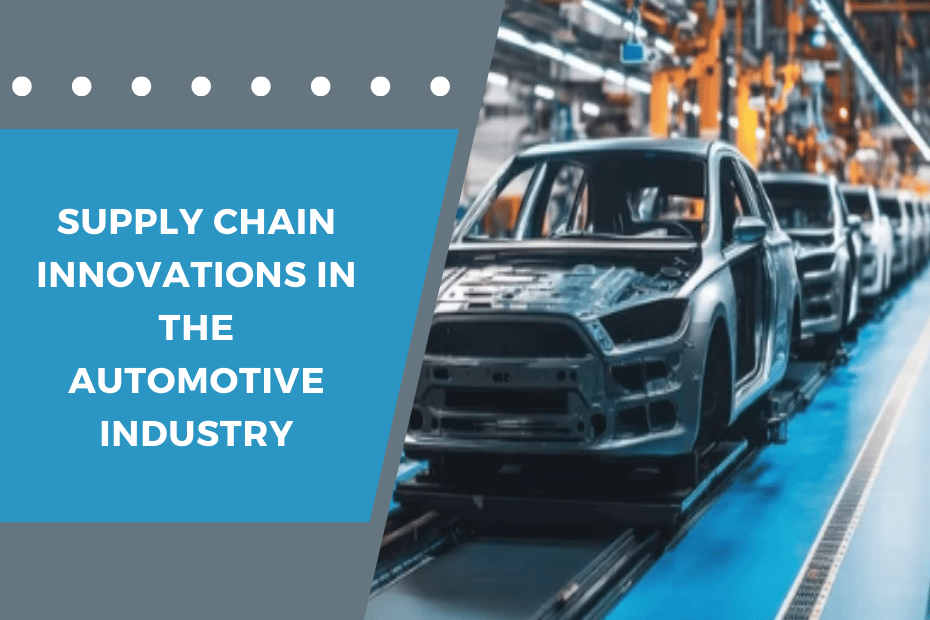
Table of Contents
- Adapting to Disruption: A New Supply Chain Reality
- Digital Transformation: Leveraging Advanced Technologies
- Sustainability as a Driving Force
- Sourcing Strategies for Greater Flexibility
- Automation and Robotics in Supply Chain Management
- Collaborative Innovation: Building Partnerships Across the Supply Chain
- The Road Ahead: Future Innovations in the Automotive Supply Chain
- Key Innovations Driving the Automotive Supply Chain
The automotive industry has always been at the forefront of technological advancements. In recent years, the industry’s supply chain has undergone significant changes driven by global disruptions, sustainability initiatives, and the need for greater efficiency. This article explores key innovations that are shaping the automotive supply chain today, ensuring that manufacturers can adapt to an increasingly complex and competitive environment.
Adapting to Disruption: A New Supply Chain Reality
The automotive supply chain has faced unprecedented challenges, from the global semiconductor shortage to geopolitical tensions. The industry’s reliance on a global network of suppliers means that even small disruptions can cause widespread delays and financial losses. In response, automakers are shifting to more resilient supply chain models, incorporating strategies like nearshoring and diversification to reduce risk. This adaptation to a more volatile global market is crucial for long-term success.
Resilience has become a key focus for manufacturers, with a shift towards more regional supply networks. This minimizes reliance on distant suppliers and improves reaction times to potential disruptions. By investing in these regional networks, companies can ensure that they are better equipped to handle supply chain interruptions and maintain operational efficiency.
Digital Transformation: Leveraging Advanced Technologies
Digitalization has revolutionized supply chain management in the automotive industry. Technologies like artificial intelligence (AI) and big data analytics are enabling manufacturers to optimize their operations through predictive modeling and real-time data tracking. This allows companies to anticipate potential bottlenecks and respond proactively, rather than reactively.
A notable innovation in this space is the use of digital twins, which are virtual models of the physical supply chain. These twins allow companies to simulate different scenarios, identify vulnerabilities, and plan for disruptions. Digital twins enhance decision-making capabilities, providing real-time visibility across the entire supply chain—from production to final delivery. As the technology matures, it is expected to become an integral part of supply chain operations across the automotive sector.
Sustainability as a Driving Force
Sustainability is no longer optional for automotive manufacturers—it is a business imperative. Increasing regulations around carbon emissions, coupled with growing consumer demand for environmentally friendly products, have pushed companies to adopt greener supply chain practices. This includes sourcing materials from sustainable suppliers, reducing waste, and minimizing carbon footprints.
Innovations such as electric vehicles (EVs) and circular economy models are central to these efforts. EV production, for instance, requires a new approach to supply chain management, particularly when it comes to sourcing batteries and other key components. Companies are focusing on the entire lifecycle of their products, ensuring that they can be recycled and reused, reducing overall environmental impact.
Sourcing Strategies for Greater Flexibility
The semiconductor shortage highlighted the risks of relying on a small number of suppliers for critical components. In response, automotive companies are diversifying their supplier base and implementing more flexible sourcing strategies. Multi-sourcing has emerged as a key approach, where companies partner with multiple suppliers to reduce the risk of supply disruptions.
This strategy goes beyond securing raw materials. It involves building stronger relationships with suppliers, sharing data, and collaborating on innovations. This transparency ensures that both automakers and suppliers can respond quickly to changes in demand or potential disruptions, fostering a more agile and resilient supply chain.
Automation and Robotics in Supply Chain Management
Automation is increasingly being integrated into the automotive supply chain. From robotic process automation (RPA) in administrative tasks to autonomous vehicles in warehouses, these technologies streamline operations, reduce labor costs, and improve accuracy. Automated systems allow for faster processing times and reduce the likelihood of human error, which is critical in maintaining the high standards of automotive manufacturing.
Warehouses are becoming smarter, with the use of automated guided vehicles (AGVs) and drones to move inventory and track shipments in real-time. These innovations increase efficiency and provide manufacturers with detailed insights into their stock levels, helping them make more informed decisions about production and distribution.
Collaborative Innovation: Building Partnerships Across the Supply Chain
Collaboration is key to innovation in the automotive supply chain. Automakers are increasingly working with technology companies, suppliers, and logistics providers to develop new solutions. These partnerships enable companies to pool resources, share data, and create a more integrated supply chain network.
For example, many manufacturers are collaborating with tech firms to develop software solutions that provide end-to-end visibility across the supply chain. These platforms allow for better communication between all parties, ensuring that disruptions are minimized, and operations run smoothly. By embracing collaboration, the automotive industry can continue to innovate and remain competitive in an ever-changing global market.
The Road Ahead: Future Innovations in the Automotive Supply Chain
The future of the automotive supply chain will be shaped by continued digital transformation and the integration of new technologies. Artificial intelligence, blockchain for enhanced transparency, and 5G connectivity for real-time data sharing are just a few examples of innovations that will drive the industry forward.
Moreover, as consumer demands shift towards more personalized and sustainable products, supply chains will need to become even more agile and responsive. Companies that can leverage advanced technologies and build resilient, flexible supply chains will be well-positioned to lead the automotive industry into the future.
Key Innovations Driving the Automotive Supply Chain
- Digital Twins: Virtual models for scenario planning and risk mitigation.
- AI and Big Data: Enhanced predictive analytics for supply chain optimization.
- Sustainable Practices: Green sourcing and circular economy models.
- Automation: Robotics and autonomous vehicles in warehouses.
- Collaborative Platforms: Partnerships for better data sharing and innovation.
In conclusion, supply chain innovations are transforming the automotive industry. By embracing digital technologies, fostering collaboration, and prioritizing sustainability, automakers can build more resilient and efficient supply chains that are ready for the challenges of tomorrow.
Related Posts

How to Build a Business Case for a New Supply Chain Software
Learn how to build a supply chain software business case with...

Your Warehouse Workers Are Your Biggest Untapped Asset
Treat warehouse workers as a business asset to improve accuracy, safety,...

7 Best Software Solutions for Cold Chain Compliance and Safety
Discover the 7 best cold chain software solutions for compliance, temperature...

The Data Your TMS Provides Is Probably Wrong. Here’s Why.
TMS data accuracy issues can distort ETA, cost, and service reporting....