
The Future of Logistics: Embracing Digital Transformation
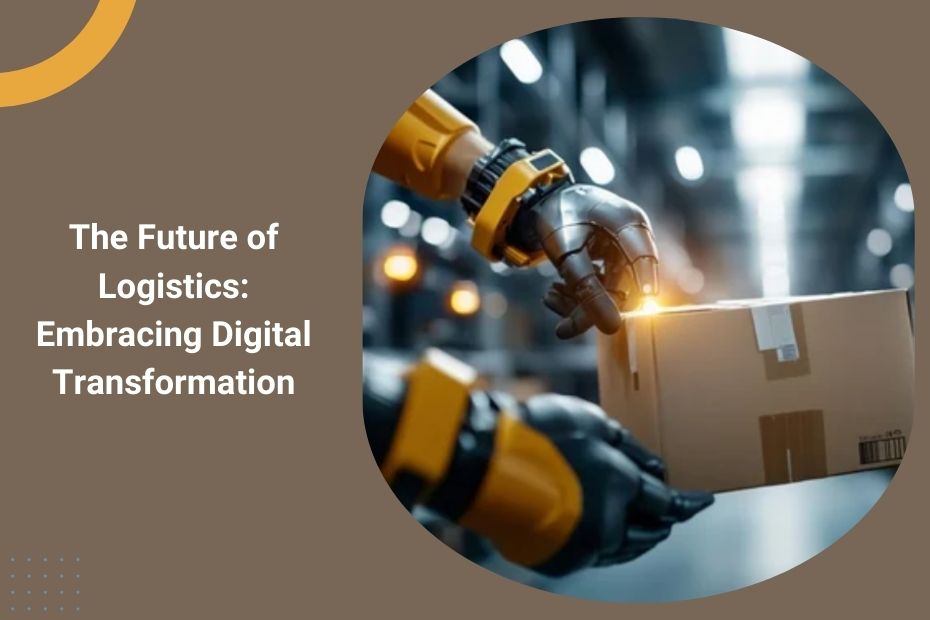
Table of Contents
- Advanced Robotics and Automation
- Artificial Intelligence and Machine Learning
- The Internet of Things (IoT) in Logistics
- Blockchain Technology for Transparency
- Autonomous Vehicles and Drones
- Cloud-Based Platforms
- Enhancing Customer Experience
- Overcoming Challenges in Digital Transformation
- Key Benefits of Digital Transformation in Logistics
- In Conclusion
Logistics has always been the lifeblood of commerce, ensuring that goods move efficiently from origin to destination. Over the years, I’ve witnessed the industry evolve from manual processes to highly sophisticated systems. But now, we’re at a tipping point. Digital transformation is fundamentally reshaping logistics, introducing technologies that promise greater efficiency, transparency, and customer satisfaction. Let me walk you through how these innovations are changing the game and what it means for the future of logistics.
Advanced Robotics and Automation
Automation isn’t new to logistics, but the scale and precision we’re seeing today are unprecedented. Robots are no longer limited to simple tasks; they’re now key players in optimizing warehouse operations. Companies like Amazon are using robotic systems, such as Proteus and Cardinal, to sort, transport, and even pack items. These robots work alongside humans, boosting productivity while reducing errors.
I’ve observed how automation minimizes downtime and increases throughput in busy warehouses. Automated guided vehicles (AGVs) and autonomous forklifts, for instance, can handle repetitive tasks with remarkable accuracy, freeing up human workers for more complex roles. This isn’t just about replacing labor—it’s about enhancing it.
Artificial Intelligence and Machine Learning
Artificial intelligence (AI) is the brains behind many of the decisions we make in logistics today. With machine learning, we’re able to analyze vast amounts of data to predict trends, optimize routes, and prevent disruptions. One example that stands out to me is predictive analytics, which helps businesses anticipate demand, streamline inventory, and reduce waste.
I’ve been particularly impressed by Walmart’s use of “digital twin” technology. By creating virtual replicas of their stores, they’re able to optimize layouts and operations, improving both customer experience and efficiency. This kind of foresight was unimaginable a decade ago, but it’s becoming the standard for forward-thinking businesses.
The Internet of Things (IoT) in Logistics
The Internet of Things (IoT) has brought a level of visibility to logistics that was once out of reach. Sensors and tracking devices can monitor everything from temperature and humidity to vibrations and location in real time. For industries like pharmaceuticals or food, where conditions during transit are critical, this technology is a game-changer.
What stands out to me is how IoT enables proactive problem-solving. Imagine being alerted the moment a shipment of perishables experiences a temperature deviation. Instead of reacting to spoiled goods, you can address the issue in real time, saving both money and resources. The precision this technology offers has transformed how supply chains operate.
Blockchain Technology for Transparency
Trust is critical in logistics, and blockchain technology delivers it in spades. By using a decentralized ledger, we can ensure secure, tamper-proof records of every transaction in the supply chain. This level of transparency is particularly important for high-value or sensitive goods, like pharmaceuticals or luxury items.
I’ve seen blockchain foster trust among supply chain partners. Everyone can access and verify the same data, reducing disputes and delays. For customers, it means knowing exactly where their product has been and that it meets quality standards. It’s no longer just about moving goods—it’s about moving goods with confidence.
Autonomous Vehicles and Drones
The logistics industry has always been about speed and reliability, and autonomous vehicles and drones are taking both to new heights. Companies like Zipline have completed over a million drone deliveries, reaching remote areas that were once difficult to serve. Meanwhile, autonomous trucks are reducing transit times by operating around the clock.
I’ve followed the progress of these technologies closely, and while there are regulatory and infrastructure challenges to overcome, the benefits are undeniable. Faster deliveries, lower costs, and reduced carbon emissions make autonomous solutions an exciting frontier for logistics.
Cloud-Based Platforms
Cloud computing is the backbone of digital transformation in logistics. It enables seamless collaboration and data sharing across the supply chain, breaking down silos that have historically slowed operations. I’ve seen how cloud-based platforms allow businesses to scale operations quickly, whether it’s managing seasonal demand spikes or expanding into new markets.
One of the biggest advantages of cloud computing is its flexibility. Companies can integrate new tools, update systems, and access real-time data from anywhere in the world. This level of connectivity ensures that supply chains remain agile and responsive to changing conditions.
Enhancing Customer Experience
Logistics isn’t just about moving goods—it’s about delivering a great experience to the end customer. Real-time tracking systems have revolutionized this aspect of logistics. Customers now expect to know exactly where their orders are at all times, and automated notifications keep them informed.
I’ve seen businesses use digital tools to offer more personalized services, from flexible delivery options to tailored product recommendations. These enhancements don’t just improve customer satisfaction—they build loyalty, turning one-time buyers into repeat customers. Digital transformation isn’t just improving logistics; it’s elevating the entire customer journey.
Overcoming Challenges in Digital Transformation
Of course, digital transformation isn’t without its challenges. Implementing these technologies requires significant investment, and smaller businesses often struggle to keep up. Integration with existing systems can be complex, and ensuring that employees are trained to use new tools effectively is critical.
Cybersecurity is another major concern. As supply chains become more connected, protecting sensitive data becomes a top priority. I’ve found that collaboration with trusted technology providers and investing in secure platforms are essential steps for mitigating these risks.
Key Benefits of Digital Transformation in Logistics
- Improved efficiency through automation and robotics.
- Enhanced visibility with IoT and real-time tracking.
- Smarter decision-making using AI and predictive analytics.
- Increased transparency through blockchain technology.
- Faster deliveries with autonomous vehicles and drones.
- Scalable operations via cloud-based platforms.
In Conclusion
The future of logistics lies in embracing digital transformation. Technologies like robotics, AI, IoT, and blockchain are redefining what’s possible, making supply chains faster, smarter, and more reliable. While there are challenges to overcome, the opportunities far outweigh the obstacles. By adopting these innovations, businesses can stay competitive and set themselves apart as leaders in the logistics industry. The journey to a smarter, more connected future has begun, and it’s a journey worth taking.
Related Posts

How to Build a Business Case for a New Supply Chain Software
Learn how to build a supply chain software business case with...

Your Warehouse Workers Are Your Biggest Untapped Asset
Treat warehouse workers as a business asset to improve accuracy, safety,...

7 Best Software Solutions for Cold Chain Compliance and Safety
Discover the 7 best cold chain software solutions for compliance, temperature...

The Data Your TMS Provides Is Probably Wrong. Here’s Why.
TMS data accuracy issues can distort ETA, cost, and service reporting....